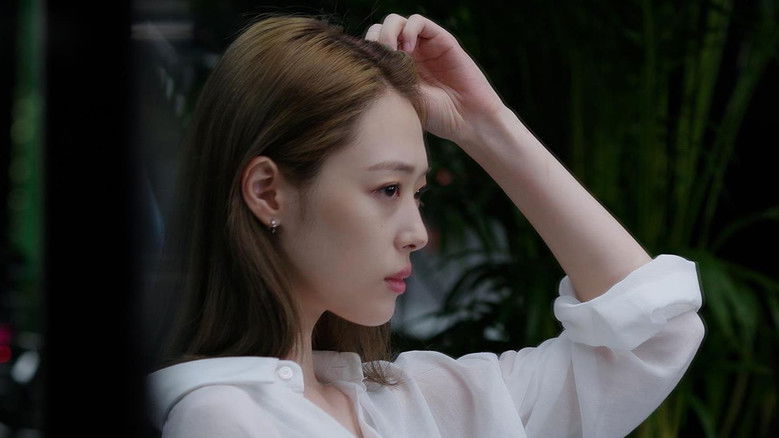

🎬 Dear Jinri – Korean title Movie guide
Ever wonder what goes on behind the scenes in the life of a K-pop icon? "Dear Jinri" offers a candid and intimate glimpse into Sulli’s world, weaving memories with heartfelt reflections. It’s like sitting down for a chat with someone you thought you knew—only deeper and more human.
This spoiler-free guide gives you the setup, the vibe, a few scene-level highlights, and where to stream.
Introspective and quietly poignant with subtle emotional ebbs and flows
At a glance
Title: Dear Jinri
Origin: South Korea
Type: movie
Genre: documentary
Release date: 2023-10-07
TMDB score: 8.2 / 10
AI recommendation score: 7.3 / 10
Who made it
Jung Yoon-suk takes a restrained, observational approach here, preferring emotional resonance over flashy storytelling. His direction respects Sulli's voice, allowing natural pauses and silences to speak volumes. While this artistic choice enhances intimacy, it also risks creating a slow rhythm that may not appeal to all tastes.
At the heart of the film is Sulli herself, whose candidness and vulnerability anchor the documentary. Supporting voices from Victoria Song, Amber Liu, Luna, and Krystal Jung provide additional perspectives, enriching the narrative with relatable career insights and heartfelt testimonials.
Cast & characters
- Sulli as Self (Acting)
- Victoria Song as Self (archival footage) (Acting)
- Amber Liu as Self (archival footage) (Acting)
- Luna as Self (archival footage) (Acting)
- Krystal Jung as Self (archival footage) (Acting)
- Shin Dong-yup as Self (archival footage) (Acting)
- Kim Sook as Self (archival footage) (Acting)
- Kim Jong-min as Self (archival footage) (Acting)
- Park Ye-eun as Self (archival footage) (Acting)
Background & setting
"Dear Jinri" is set against the backdrop of South Korea’s ultra-competitive entertainment industry, where public image and personal privacy often clash. The film touches on themes of mental health, media scrutiny, and the cultural expectations placed upon idols. This context is crucial for global audiences to appreciate the immense pressure Korean pop stars endure. It also subtly reflects how social media intensifies these challenges, offering a look at loneliness amidst fame. The documentary’s quiet cinematography and minimalistic score underscore the stark contrast between the glittering facade and the artist’s private reality.
The Rhythm of Silence and Space
"Dear Jinri" moves with a contemplative pacing that mirrors its subject’s introspective nature. Instead of traditional narrative propulsion, the film embraces pauses, silences, and lingering shots, allowing viewers to digest the emotional weight alongside Sulli. This choice creates a rhythm more akin to a slow tempo ballad than a fast-paced pop track, which might test viewer patience but ultimately deepens the meditative atmosphere. The film also balances the tonal shifts carefully—moments of warmth and humor soften the underlying melancholy without undermining its seriousness. These tonal modulations feel authentic to the complexity of human experience rather than inserted for dramatic effect. The chemistry between Sulli and the interviewers feels natural, enhancing the sense of a personal conversation rather than a staged recount. Still, the deliberate pacing and minimal stylistic flourishes carry risk for some audiences preferring more kinetic energy or visual dynamism.
Setting the Stage: Sulli’s Story

The documentary opens with archival footage and softly lit interviews, setting the tone for a deep dive into Choi Jinri’s life, known widely as Sulli. We see her childhood framed through nostalgic anecdotes and hear about the early days of her stardom. The film carefully balances past and present, tracking her struggles with fame, the pressures of being in the spotlight, and her quest for self-identity. It hints at the complexities behind her public persona without rushing to dramatic conclusions.
If you liked these, this might fit
While "Dear Jinri" shares the intimate, reflective qualities of documentaries like "Amy" or "Miss Americana," it sets itself apart with a more understated, almost minimalist style. Unlike more traditionally structured music docs, it leans into mood and atmosphere rather than a chronological career timeline. Those expecting a high-energy rise-and-fall story might find the pace slower but will appreciate the emotional depth.
Key Takeaways and Critiques


My Take on "Dear Jinri"
Watching "Dear Jinri" felt like stepping into a rhythm that’s part gentle, part raw—like music that occasionally skips, but keeps you hooked. The pacing can meander in moments, which might test patience if you’re used to brisk narratives, yet that lingering silence often mirrors the contemplative mood the film tries to evoke. Stylistically, the film leans heavily on close-up interviews and sparse visuals, so if you prefer dynamic cinematography, it might feel a bit static. However, this intimacy grants you a privileged seat in Sulli's fluctuating emotional landscape, making it feel personal rather than distant. The director’s subtle touch avoids sensationalism, though some viewers might crave a clearer structural thread. Overall, it’s a thoughtful, if uneven, portrait that invites empathy more than spectacle.
Why it’s worth streaming now
This documentary found a natural home on streaming platforms that serve diverse, niche audiences eager for deeper looks into celebrity culture and mental health. It’s the kind of film that benefits from on-demand viewing, where the space to pause and reflect suits its measured tone. Plus, it complements other music-related documentaries available online, providing a valuable Korean perspective.
Mini FAQ
Is "Dear Jinri" mostly interview footage or does it have other types of scenes?
The film is primarily composed of interviews with Sulli and her close peers, interspersed with archival clips and candid footage, creating an intimate yet varied viewing experience.
Do I need to be familiar with K-pop to appreciate this documentary?
Not necessarily. While some background knowledge might enhance context, the themes of fame, mental health, and identity are fairly universal and thoughtfully explored.
Does the documentary reveal new details about Sulli’s life?
It focuses more on personal reflections and emotional truths rather than sensational revelations, offering a nuanced portrait rather than hard facts.
How to watch
Streaming availability can change by region and platform. Check your OTT services (Netflix, Disney+, Prime Video, etc.) to confirm availability.
👍 What you’ll probably like
- Authentic, heartfelt portrayal of Sulli’s internal struggles
- Intimate cinematography that fosters a deep connection
- Balanced use of archival footage and present-day interviews
🤔 What might not work for you
- Pacing occasionally slows with extended quiet segments
- Minimal visual variety may feel static for some viewers
- Lacks a clear narrative arc, which might confuse casual audiences
Who Should Tune In
Fans of music documentaries and those curious about the intersection of celebrity culture and mental health will find the film engaging. It’s best for viewers open to reflective, character-driven stories.
Final notes
Final score: 7.3 / 10.
It’s a good match for viewers who notice tone shifts and small acting choices.
Explore more
More posts live on the main page. You can also search this site for related titles here.
This review is AI-assisted, based on public metadata. It is intended for international audiences discovering Korean and global OTT content.
This product uses the TMDb API but is not endorsed or certified by TMDb.
Leave a Reply