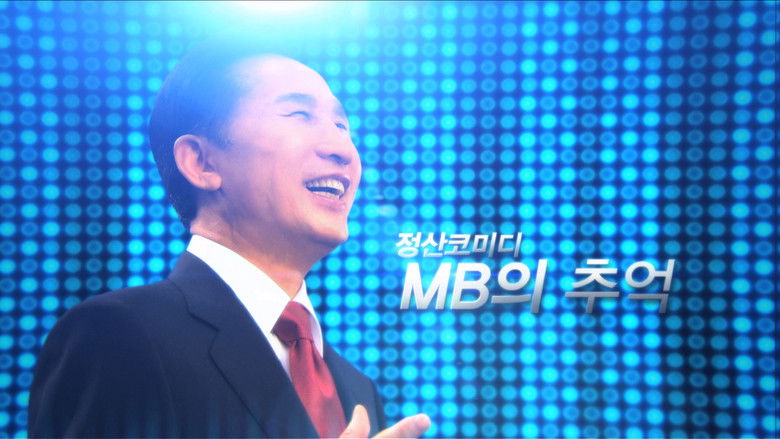

🎬 Rememberance of MB – Korean title Movie guide
Ever wonder what it’s like to watch a political hero’s rise and fall from the inside? Rememberance of MB offers a peek behind the curtain with a mix of humor and heartfelt moments. It’s less a thriller and more a thoughtful stroll through public expectation and leadership reality.
Here’s a spoiler-light walkthrough: what it’s about, what it feels like, what lands (and what might not), plus where to watch.
Reflective with occasional dry wit
At a glance
Title: Rememberance of MB
Origin: South Korea
Type: movie
Genre: documentary
Release date: 2012-10-18
TMDB score: 6.667 / 10
AI recommendation score: 6.8 / 10
Who made it
Kim Jae-hwan directs with a restrained hand, focusing on constructing a quietly probing narrative rather than an overtly dramatic one. His approach favors editorial balance, allowing multiple perspectives to coexist without heavy-handed judgment. This style keeps the film grounded, though it might sacrifice some dynamic tension in the process.
Lee Myung-bak’s presence looms large as both subject and interviewee, providing a complex central figure around whom the story unfolds. Choi Soo-jong, Kim Je-dong, Yu In-chon, and Ahn Suk-hwan contribute as commentators, their roles adding layers of interpretation and occasionally lightening the mood with offbeat insights. The cast serves more as narrative anchors than traditional actors, fitting for this documentary’s investigatory tone.
Cast & characters
- Lee Myung-bak as Self (Acting)
- Choi Soo-jong as Self (archive footage) (Acting)
- Kim Je-dong as Self (Acting)
- Yu In-chon as Self (archive footage) (Acting)
- Ahn Suk-hwan as Self (Acting)
Background & setting
Set during a volatile period marked by economic uncertainty and political upheaval, the film explores South Korea’s collective yearning for stability and hope. Themes of leadership, public expectation, and the gap between image and reality are woven throughout. The documentary encompasses both the enthusiasm and disenchantment felt by voters, capturing a national mood of cautious optimism turned skepticism. It situates MB not just as a political figure but as a symbol of a generation’s dreams and disillusionments. This layered setting provides an interesting backdrop to understand how media and political narratives shape public opinion over time. The film’s unembellished presentation emphasizes the rawness of these emotions without gloss or propaganda.
Balancing Rhythm and Reflection
Rememberance of MB masterfully juggles varying rhythmic beats—some sequences rush with the fervor of political rallies, while others languish in quiet interview moments soaked with introspection. This variance mirrors the unpredictable tempo of political life, where hope and letdown exist side by side. Yet, this tightrope walk introduces pacing hazards; the transitions sometimes linger a bit too long, potentially diffusing tension. The humor is subtle and often dry, sprinkled like seasoning rather than crashing through the narrative. This approach allows the film to maintain a respectful tone without becoming somber, offering welcome breathing room amid heavy themes. The chemistry between the interviewees, especially among those close to MB, feels natural, fostering authenticity rather than theatricality. This less-is-more style underlines the documentary’s core strength: it’s less about spectacle and more a patient excavation of public sentiment layered with personal reflection.
Setting the Stage

The film opens by capturing the intense public craving for a leader to fix a tangled economic mess. Enter MB, a figure who quickly becomes the embodiment of hope and change. Early scenes set the stage with both the fervor of his supporters and hints of the cracks in that hopeful facade. We glimpse the complicated relationship between MB and the electorate, setting up a narrative that promises both laughs and sighs. The tone feels more reflective than dramatic, inviting viewers to quietly observe rather than gasp at surprises.
If you liked these, this might fit
Unlike more sensational political documentaries that lean heavily on dramatic reenactments or fast edits, Rememberance of MB opts for a steadier, almost contemplative approach. It shares a kinship with films that focus on nuanced character studies rather than grand narratives. In contrast to international political docs that might foreground scandal, this film feels quieter, more attentive to subtle emotional shifts and cultural context.
Digging Into the Details
Watching Rememberance of MB is like settling into a long conversation about politics with a slightly cheeky friend who’s seen it all and isn’t afraid to point out the weird bits. The pacing shifts as it navigates between public rallies and more intimate moments, which sometimes disrupts the rhythm but also mirrors the unpredictability of political life. The documentary style lends authenticity, though it occasionally feels pulled in too many directions, risking viewer fatigue. There’s a certain charm in how it balances light-hearted jabs with genuinely emotional beats, though I'd caution some viewers might find the political context a bit dense if they aren’t familiar with the era. The visuals are straightforward, relying on archival footage and interviews, which keeps the focus on the story but less on cinematic flair. Overall, it’s a thought-provoking watch that takes care not to glamorize or demonize, instead offering a layered human portrait under the spotlight.
Why it’s worth streaming now
The film’s measured pace and regional focus might make it less immediately accessible for casual viewers without an interest in Korean politics. Streaming platforms seem a fitting home, allowing viewers to pause and digest the layered content at their own rhythm. The availability on OTT services offers convenience, making it easier for curious cinephiles to explore this reflective political portrait without theatrical pressure.
Mini FAQ
Is prior knowledge of Korean politics necessary to enjoy the film?
Not strictly necessary, but some understanding helps appreciate the nuances of public sentiment and context the documentary explores.
Does the film focus more on MB’s personal life or political career?
It mainly examines MB’s political impact and public perception, with only glimpses into personal elements where they intersect with public narratives.
Are there any dramatized scenes or is it purely documentary footage?
The film relies primarily on archival footage and interviews, sticking closely to documentary style without dramatized reenactments.
Streaming availability
In your selected region (KR), this title is available on: Watcha, wavve.
Platforms can change by region and time. Double-check inside your streaming apps.
👍 What you’ll probably like
- Insightful glimpses into public perception versus political reality
- Balanced mix of humor and emotional depth
- Authentic use of archival footage and interviews
🤔 What might not work for you
- Pacing can be uneven, risking moments of sluggishness
- Some political references might feel obscure to international viewers
- Stylistic simplicity may disappoint those seeking more cinematic polish
Who'll Get the Most from This
If you enjoy documentaries that dig into political figures with nuance and don’t mind a slower, meditative pace, this will likely engage you. It’s especially appealing if you’re curious about the personal side behind public personas.
Verdict
Final score: 6.8 / 10.
Best enjoyed when you’re in the mood for atmosphere and pacing that doesn’t rush you.
Explore more
More posts live on the main page. You can also search this site for related titles here.
This review is AI-assisted, based on public metadata. It is intended for international audiences discovering Korean and global OTT content.
This product uses the TMDb API but is not endorsed or certified by TMDb.
Leave a Reply